Australia boasts one of the most dynamic food cultures in the world, from Melbourne's laneway bistros and Sydney's waterfront fine diners to bustling regional wineries. If you love food, thrive under pressure, and want a creative, portable career, stepping into the kitchen as a chef is one of the best moves you can make.
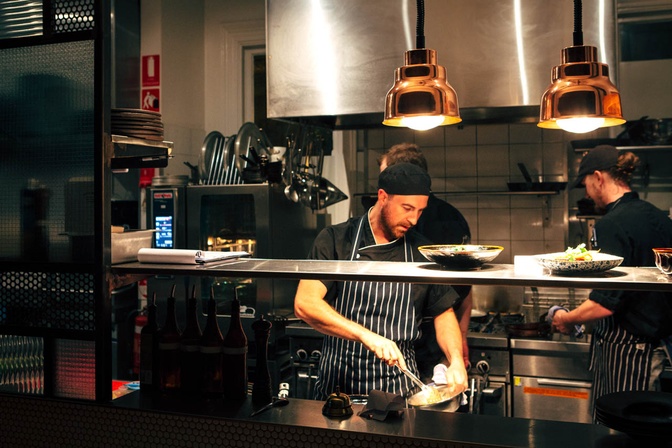
You don't need a university degree to command a kitchen, but formal training paired with hands-on experience is the gold standard in Australia.
Before firing up the grill, you need a few core qualifications and traits tucked into your chef whites.
The kitchen life is rewarding, but going in with clear expectations ensures you build a sustainable career.
| Career Level | Typical Roles | Expected Rates & Pay |
|---|---|---|
| Apprentice | 1st to 4th Year Apprentice | ~$20-$26/hr base (scaling annually + penalty rates) |
| Full-Time / Qualified Chef |
Commis Chef, Chef de Partie | ~$60,000-$75,000 package (or $30-$38/hr casual loading) |
| Full-Time / Senior Chef |
Sous Chef, Head Chef, Executive Chef | ~$80,000-$115,000+ per annum |
The Work Culture: Kitchens are fast-paced, high-volume environments where attention to detail is key. Split shifts (working lunch service, taking a mid-afternoon break, and returning for dinner) are common in many traditional restaurants.
Head chefs don't have time to read four-page resumes. Keep your application crisp, clean, and practical.
Yes, you can work your way up from kitchen hand to cook through sheer experience and on-the-job learning. However, completing a Certificate III in Commercial Cookery officially qualifies you as a trade chef, opening up higher pay brackets, sponsorship, and senior kitchen management roles.
Completing a trade apprenticeship alongside a Certificate III in Commercial Cookery usually takes 3 to 4 years. Fast-track options exist if you have significant prior experience through Recognition of Prior Learning (RPL).
A cook generally prepares food following set recipes under supervision. A chef holds formal culinary qualifications, designs menu items, calculates food margins, manages stock, and leads kitchen operations.
Extremely high. Qualified chefs and kitchen management staff consistently appear on Australia's priority skilled migration lists, meaning job security and choices across cafes, pubs, hotels, and fine dining venues are abundant.
Whether you're looking for your first kitchen hand gig, a commercial cookery apprenticeship, or your next Head Chef role, Australia’s best venues are hiring on Scout Jobs.
Explore the latest Chef & Kitchen Roles on scoutjobs.com.au, upload your resume, and take the next step in your culinary career today!