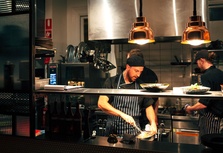
If you want to learn how to become a bartender, you are looking at a career path that offers rapid job placement, excellent flexible hours, and skills that translate globally. But cracking the industry takes more than just knowing how to pour a beer or shake a classic Espresso Martini.
In this guide, we break down the exact qualifications, practical skills, and insider application strategies you need to step behind the bar in Australia with total confidence.
Step 1: Get Your Legal Qualifications Sorted
Before you ever touch a cocktail shaker or pull a tap handle in Australia, you need to meet state compliance laws.
- Responsible Service of Alcohol (RSA): This is non-negotiable. Every state enforces strict RSA compliance. Make sure you complete an accredited course specific to your location (e.g. Liquor & Gaming NSW for New South Wales, or VCGLR-approved courses in Victoria). Most courses take a single day or can be completed online depending on state legislation.
- Responsible Conduct of Gambling (RCG/RSG): If you plan on working in large pubs, gaming venues, or RSL clubs - particularly across NSW and Queensland - having your RCG alongside your RSA makes your resume twice as attractive to prospective hiring managers.
Step 2: Master the Fundamental Bartending Skills
You don't need a three-year degree, but venue managers expect you to grasp the core mechanics from day one:
- Speed and Pour Accuracy: Practice free-pouring with a pour spout and water at home, or master using a jigger quickly under pressure.
- Draft Beer Mechanics: Learn how to pour a clean pint with minimal head loss and how to handle basic keg changes.
- Classic Cocktail Recipes: Memorise the builds for high-volume staples: Margarita, Negroni, Old Fashioned, Espresso Martini, and Aperol Spritz.
- POS Systems & Cash Handling: Modern venues run on digital point-of-sale systems (like Impos or Lightspeed). Fast button navigation keeps the line moving during peak rushes.
Step 3: Understand Pay Rates and Working Conditions
Australia has robust workplace protections governed by the Fair Work Commission and the Hospitality Industry General Award (HIGA). Knowing your rights ensures you get paid fairly for your hard work.
- Casual Loading: If you are hired casually, you receive a 25% casual loading on top of your base hourly rate to make up for leave entitlements.
- Penalty Rates: Working late nights, weekends, or public holidays attracts higher hourly rates. Saturday, Sunday, and late-night penalties significantly bump up your earnings.
- Physical Demands: Expect long hours on your feet, heavy lifting (moving beer kegs and cases of wine), and working in fast-paced, high-noise environments.
Step 4: Resume & Application Strategies That Work
Venue managers receive dozens of resumes every week. To stand out on Scout Jobs, structure your application to highlight operational value:
- Lead with Certifications: Put your RSA certificate status, state provider, and completion date right at the top of your resume.
- Highlight Speed and Customer Service: Even if your past experience is in retail or cafes, emphasize your ability to handle high customer volume, multi-task, and stay calm under pressure.
- Keep Your Scout Profile Complete: Upload an up-to-date resume and set up your job alerts.
Pro Insider Tips: How to Ace Your Trial Shift
- Prioritise Hygiene & Prep: The first thing a head bartender notices is clean work habits. Wipe down your well constantly, use tongs for garnishes, and keep ice tubs free of contamination.
- Move with Urgency: You don't need to be the fastest pourer on day one, but showing hustle - clearing empty glasses, restocking ice, and prepping glassware - shows you are a team player.
- Ask Smart Questions: If you don't know where a specific bottle or house syrup lives, ask immediately rather than wandering around during a service rush.
Frequently Asked Questions
How long does it take to become a bartender in Australia?
You can become job-ready in as little as 1 to 2 weeks. Obtaining your RSA certificate takes 1 day, and combining that with short practical courses or introductory barback experience allows you to apply for entry-level roles right away.
Do I need to go to bartending school?
No, formal bartending school is not mandatory in Australia. While short cocktail masterclasses help build confidence, most venues value an accredited RSA certificate, a strong work ethic, and hands-on experience (such as working as a barback or glassie) over private certifications.
What is the entry-level salary for a bartender in Australia?
Entry-level bartenders covered by the Hospitality Industry General Award generally start at Level 2 or Level 3 pay rates. Under casual employment, base rates typically start around $30-35 per hour, with penalty rates pushing hourly earnings higher on weekends and public holidays.
What is the difference between a barback and a bartender?
A barback supports the main bartenders by restocking ice, clearing glassware, changing kegs, and prepping garnishes. Starting as a barback is one of the most reliable ways to learn the ropes and get promoted to bartender in busy venues.
Take the Next Step in Your Hospitality Journey
Ready to step behind the bar and kickstart your career? Venues across Australia are looking for motivated staff right now.
Explore open bartender roles, set up customized job alerts, and showcase your profile directly to top hospitality employers on Scout Jobs.