With Australia’s hospitality sector as competitive as ever, bringing top bar talent onto your team requires some prep. From navigating local compliance and Fair Work trial rules to spotting genuine hospitality instincts, this guide breaks down how to hire a bartender who keeps your regulars coming back.
1. Define Your Venue’s Specific Bar Needs
Before posting a job ad, get crystal clear on the exact skill set your bar demands. A high-volume pub requires a completely different operational mindset than an intimate natural wine bar or a bespoke cocktail lounge.
- Cocktail & Craft Spirits Specialist: Requires deep classic cocktail knowledge, precision pouring, spirit pairing expertise, and creative input for seasonal menu development.
- High-Volume Bartender: Focuses on lightning-fast speed, multitasking, POS mastery, queue management, and physical endurance during peak trade.
- Wine & Taproom Attendant: Needs a strong understanding of varietals, craft beer profiles, cellaring basics, and food pairing recommendations.
2. Craft a Clear, Compliant Job Description
A generic job ad will attract generic applications. To filter for quality early, outline the non-negotiable requirements alongside clear operational expectations.
Essential Qualifications & Criteria
- Current State-Specific RSA: A valid Responsible Service of Alcohol certificate for your state (e.g., Liquor & Gaming NSW, Liquor Control Victoria).
- Proven Experience: Specific experience operating similar equipment, POS systems, and service styles.
- Availability: Flexibility across nights, weekends, and key public holidays.
3. Understand Australian Hospitality Compliance
Hiring in Australia means staying compliant with Fair Work and local liquor laws before your new recruit touches a shaker.
- Mandatory RSA Verification: Always verify that an applicant’s RSA certificate is valid in your venue's state before they begin any work or trial.
- Fair Work & Modern Award Rates: Ensure pay structures align with the Hospitality Industry (General) Award 2020 or your Enterprise Agreement. Factor in casual loading (25%) and applicable weekend or late-night penalty rates.
- Paid Trial Shift Rules: In Australia, unpaid trial shifts are strictly limited to the brief time necessary to demonstrate required skills (typically 1 to 2 hours max). Any shift beyond skill demonstration must be fully paid at the appropriate award rate.
4. Run a Smart Interview and Practical Assessment
Resume screening only tells half the story. A candidate’s interpersonal warmness and composure under pressure reveal far more during the evaluation process.
Strategic Interview Questions
- How do you de-escalate an interaction with an intoxicated or agitated guest while remaining compliant with RSA?
- It’s 10:00 PM on a Saturday, tickets are backing up, and you run out of prep. How do you prioritise?
- What’s your favorite spirit or beverage to recommend right now, and how would you sell it to a guest?
The Practical Trial
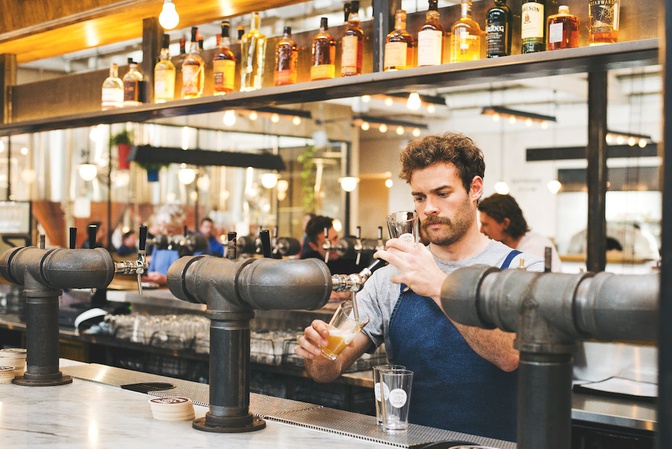
Observe how the candidate moves behind the bar. Key indicators of a seasoned professional include:
- Cleanliness & Organization: Do they reset their station continuously while working?
- Communication: Do they call out behind-the-bar movements ("behind", "hot", "coming through")?
- Guest Connection: Do they acknowledge waiting customers even when slammed?
Pro Insider Tips: Advice from Top Venue Managers
- Hire for Attitude, Train for Speed: You can teach someone your cocktail specs in a week, but you can’t teach genuine warmth or hustle. Prioritise personality and team fit above all else.
- Check References Yourself: Don't skip the reference call. Ask previous venue managers specifically about punctuality, composure under pressure, and how they handle team handovers.
- Keep the Trial Structured: Give candidates a clear 30-minute checklist during their trial - e.g. make two house cocktails, run POS transactions, and interact with guests - so you can evaluate them fairly against every other applicant.
Frequently Asked Questions
What qualifications does a bartender need in Australia?
At a minimum, every bartender in Australia must hold a valid state-specific Responsible Service of Alcohol (RSA) certificate. Certain venues with gaming facilities may also require a Responsible Conduct of Gambling (RCG/RSG) certification.
Can you give a bartender an unpaid trial shift in Australia?
Under Fair Work regulations, an unpaid trial is only legal if it is strictly limited to demonstrating the essential skills required for the job (usually 1 to 2 hours). If the trial involves performing standard operational work or extends beyond basic skill evaluation, it must be paid at the relevant award rate.
What is the average hourly rate for a bartender in Australia?
Bartender pay is governed by the Hospitality Industry (General) Award 2020. Hourly rates vary depending on age, classification level, employment type (full-time, part-time, or casual with 25% loading), and penalty rates for late nights, weekends, and public holidays.
Ready to find the perfect bartender for your team? Post your role on Scout Jobs today to connect with skilled, vetted hospitality talent across Australia.